
Tiruttani Murugan Temple History and Significance: A Sacred Abode of Lord Murugan
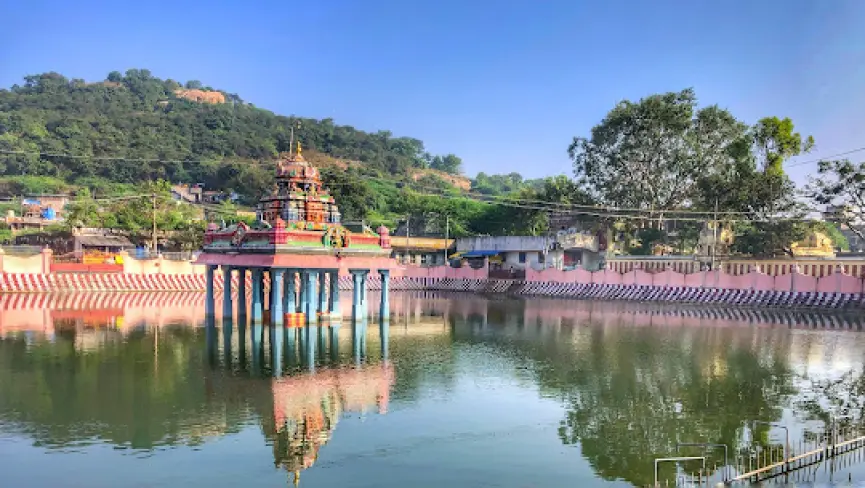
Tiruttani Murugan Temple, located in the Tiruvallur district of Tamil Nadu, is one of the six sacred abodes (Arupadai Veedu) of Lord Murugan, the Hindu God of War and Victory. Perched atop a serene hill with 365 steps symbolizing each day of the year, this ancient temple is a powerful spiritual center attracting devotees from all over India. It is believed that visiting Tiruttani removes anger and brings peace of mind, making it one of the most significant Murugan temples in South India.
Historical Background of Tiruttani Murugan Temple
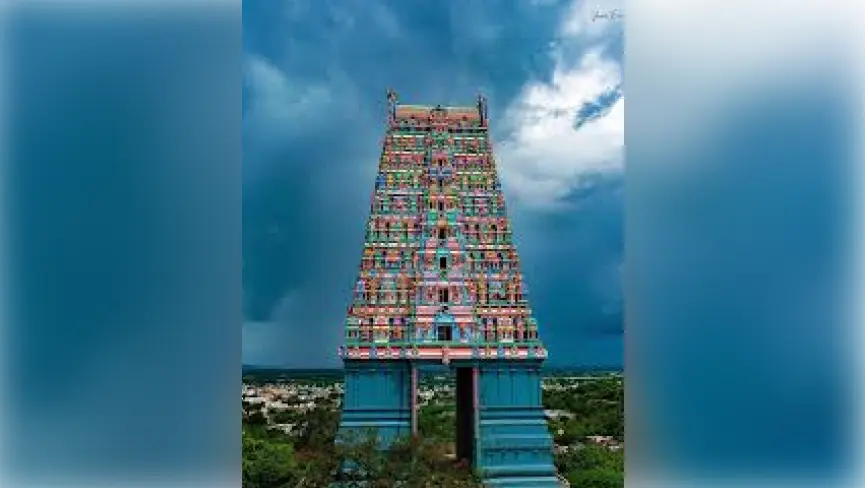
The Tiruttani Temple has a rich history that dates back thousands of years. Ancient Tamil scriptures such as the Tiruppugazh and Kanda Puranam mention this temple as a place where Lord Murugan attained peace after his victory over the demon Surapadman. The temple architecture reflects the Dravidian style, with beautifully sculpted pillars, intricate carvings, and a majestic gopuram that stands as a testament to Tamil craftsmanship.
Several dynasties, including the Pallavas, Cholas, and Vijayanagar rulers, contributed to the construction and renovation of the temple over the centuries. Historical records and inscriptions found here highlight the temple’s long-standing role as a center of devotion, culture, and Tamil heritage.
Significance of Tiruttani in Hindu Mythology
According to legend, after destroying the demon Surapadman at Tiruchendur, Lord Murugan came to Tiruttani to calm his war fury and attain inner peace. This event symbolizes the transformation from aggression to tranquility and signifies spiritual victory over ego and anger.
The temple thus represents Shanti Sthalam — the abode of peace — where Lord Murugan blesses devotees with serenity and wisdom. It is also believed that Lord Indra gifted his elephant Airavata and the sacred weapon Vajrayudha to Murugan at this site.
Spiritual Importance and Rituals
Tiruttani Murugan Temple is renowned for its divine vibrations and sacred rituals. Daily poojas, abhishekams, and special sevas are performed with great devotion. Major festivals celebrated here include Skanda Sashti, Thai Poosam, and Panguni Uthiram, drawing thousands of pilgrims.
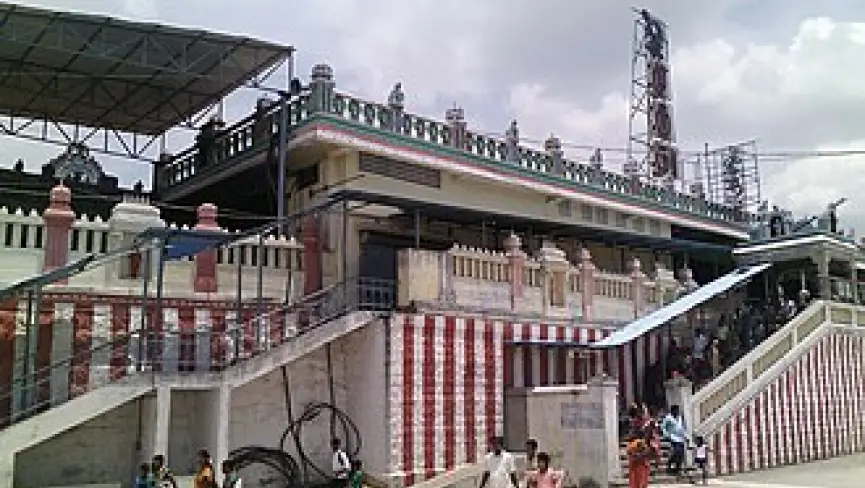
The temple’s 365 steps hold deep spiritual meaning — devotees climb them as an act of penance and devotion, symbolizing the purification of mind and soul for each day of the year.
Architecture and Surroundings
The temple’s architecture showcases traditional Dravidian brilliance with a multi-tiered Rajagopuram, intricate carvings, and sanctum sanctorum housing Lord Murugan along with his consorts Valli and Deivayanai. The temple hill offers a breathtaking panoramic view of the surrounding landscape, adding to the divine experience.
Tiruttani – One of the Six Abodes of Lord Murugan
Tiruttani is one of the Arupadai Veedu, the six sacred places where Lord Murugan is worshipped with unique significance. The six abodes — Palani, Swamimalai, Tiruchendur, Tiruttani, Pazhamudircholai, and Thirupparankundram — represent the divine stages in Murugan’s life and spiritual journey.
Among them, Tiruttani stands as the Shanti Sthalam, where peace prevails after battle — teaching devotees the value of balance, forgiveness, and inner calm.
How to Reach Tiruttani Murugan Temple
-
By Road: Tiruttani is well connected by road from Chennai (about 90 km) and Tirupati (about 65 km). Regular buses and taxis are available.
-
By Train: Tiruttani Railway Station is just 2 km from the temple and connects major cities like Chennai and Tirupati.
-
By Air: The nearest airport is Chennai International Airport, around 80 km away.