

Srikalahasti Rahu Ketu Pooja Guide: Procedure, Timings & Benefits
Table of Contents
About Srikalahasti Temple
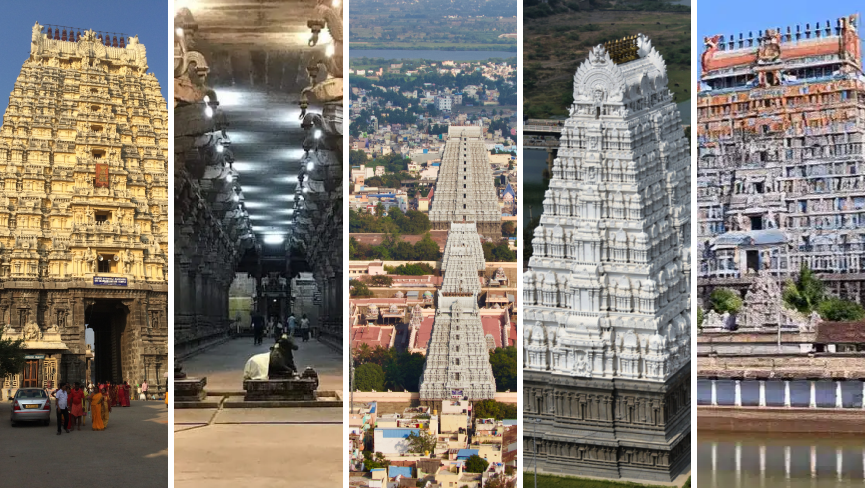
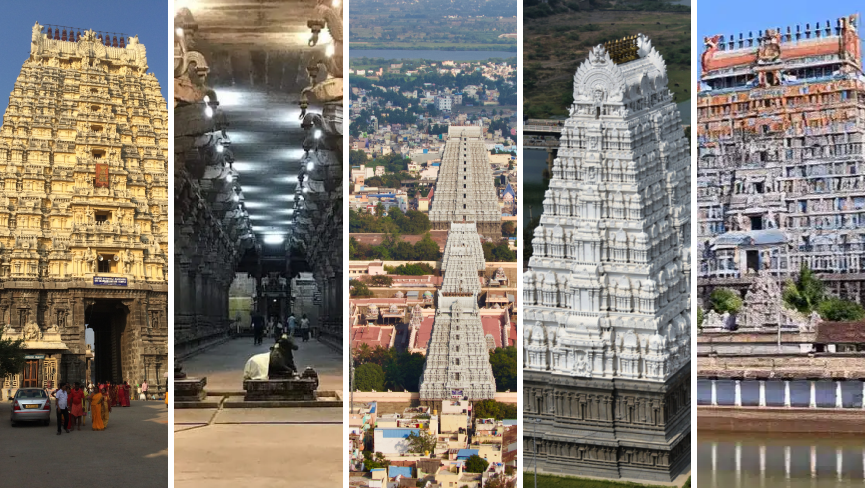
Srikalahasti, located in the Chittoor district of Andhra Pradesh, is a magnificent temple town on the banks of the sacred Swarnamukhi River. The presiding deity is Sri Kalahastiswara (Lord Shiva), worshipped as the air (Vayu) Lingam — one of the five Pancha Bhuta Stalas representing nature's five elements.
The temple's gopuram soars to 36.6 metres (120 feet). The name "Srikalahasti" derives from three animals — Sri (spider), Kala (serpent), and Hasti (elephant) — all said to have attained moksha by worshipping Lord Shiva here.
What is Rahu Ketu Dosha?
Rahu is the ascending lunar node — a shadow planet representing:
- Material desires and obsessions
- Foreign travel & unconventional behavior
- Sudden gains and losses
- Illusion and confusion in life
- Delays in marriage and career
Ketu is the descending lunar node — representing past karma:
- Past life karma and spiritual debts
- Sudden accidents and health issues
- Mystical experiences & psychic sensitivity
- Detachment from material world
- Hidden enemies and obstacles
What is Kalasarpa Dosha?
When all seven planets are hemmed between Rahu and Ketu in a birth chart, it creates Kalasarpa Dosha — causing severe obstacles, family troubles, financial hardships, and health issues. The Srikalahasti Pooja is the most potent remedy for this dosha.
Why Srikalahasti is the Most Sacred Place?
"Among all places in India to perform Rahu Ketu remedies, Srikalahasti holds the highest sanctity — for it is here that Rahu and Ketu are said to reside as divine serpents, worshipping Lord Kalahastiswara eternally."
Srikalahasti is the Rahu-Ketu Kshetra — the only temple where Rahu and Ketu are propitiated as the primary deities of a special pooja. Performing this pooja here is believed to be 100 times more effective than anywhere else.
Rahu Ketu Kshetra
Dedicated Rahu-Ketu pooja shrine within the main temple complex
Pancha Bhuta Stala
Air element — representing formless divine consciousness
Agama Shastra
Rituals performed strictly per ancient Agama Shastra traditions
Who Should Perform the Pooja?
Strongly recommended for people with any of the following in their horoscope:
All planets hemmed between Rahu and Ketu
Currently running Rahu or Ketu major period
Snake-related doshas in the birth chart
Unexplained obstacles in career, business, or marriage
Ancestral debts causing generational problems
Dreams of serpents, ancestors, or fearful visions
Pooja Procedure — Step by Step
The Rahu Ketu Pooja typically takes 3 to 5 hours from start to finish. Here is the complete step-by-step procedure:
Pre-Registration & Booking
Visit the temple office or official TTD portal to book your pooja slot. Carry the original horoscope (janampatri) and a government ID proof. Online booking is strongly recommended during festival seasons to avoid long queues.
Holy Bath in Swarnamukhi River
Devotees must take a ritualistic bath in the sacred Swarnamukhi River before entering the temple. This bath cleanses accumulated negative karma. Wear clean, freshly washed clothes — white or cream for men, silk sarees for women.
Ganapati Pooja (Commencement Prayer)
The priest begins with a Ganapati Pooja to invoke Lord Ganesha and remove obstacles. A Sankalpa (solemn vow) is then taken — the priest chants your name, gotra, and birth details, declaring the purpose of the pooja to the divine.
Navagraha Shanti Pooja
Special prayers are offered to all nine planets to reduce negative influences. Each graha is worshipped with specific flowers, colours, and mantras. Rahu is propitiated with blue/black flowers and durva grass; Ketu with kusha grass and multicoloured flowers.
Rahu Ketu Sarpa Dosha Nivarana Homa Core Ritual
A sacred fire ritual (homam) performed with specific wood (palasha, sesame), ghee, and herbal offerings. The priest chants powerful Rahu and Ketu beeja mantras 108 or 1008 times. Devotees sit facing the homa kunda and participate actively.
Abhishekam to Rahu Ketu Idols
The snake-shaped idols of Rahu and Ketu are bathed with panchamrita (milk, curd, honey, ghee, sugar) and sacred water while mantras are chanted. This is the highlight of the pooja and is considered extremely auspicious.
Pradakshina (Circumambulation)
Devotees perform 9 or 108 clockwise pradakshinas around the Rahu-Ketu shrine and the main sanctum. Each round is believed to reduce the malefic influence of the shadow planets. Done barefoot with devotion and concentration.
Naga Prathishta Pooja
A unique ritual where offerings are made to the Naga (serpent deity) shrine. Clay or silver snake idols are offered to the Naga kund. This specifically removes Sarpa Shapa (serpent curse) and Naga Dosha from the horoscope.
Main Temple Darshan of Lord Kalahastiswara
After all rituals, devotees receive darshan of Lord Sri Kalahastiswara and Goddess Jnanaprasunamba. The priest gives blessed prasadam — sacred ash (vibhuti), kumkum, and flowers from the Lord.
Donation & Completion
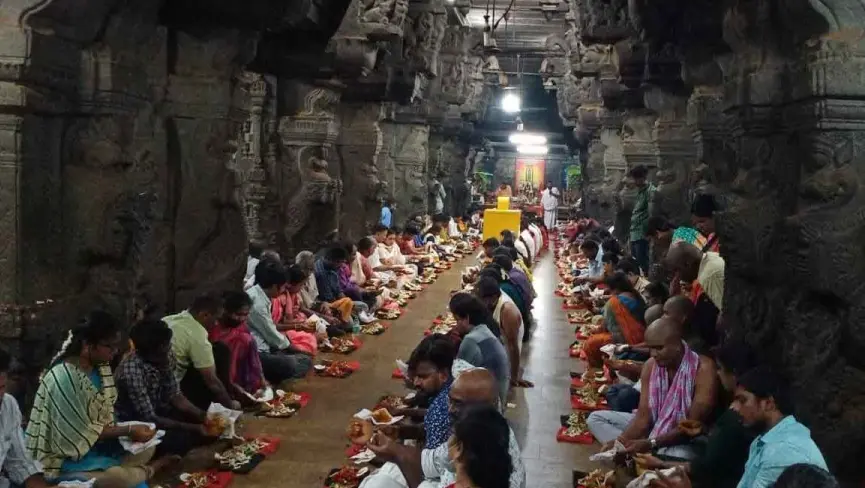
Conclude by donating to the temple Annadanam (free food), feeding Brahmins, and donating black sesame seeds or black cloth — highly auspicious for Rahu Ketu. Many devotees also donate silver serpent idols to the temple treasury.
Pooja Timings & Auspicious Days
| Pooja Type | Timing | Duration | Fee (Approx.) |
|---|---|---|---|
| Rahu Ketu Pooja (Basic) | 6:00 AM – 12:00 PM | 2–3 Hours | ₹500 – ₹1,500 |
| Kalasarpa Dosha Pooja | 6:00 AM – 1:00 PM | 3–4 Hours | ₹1,500 – ₹3,000 |
| Sarpa Dosha Nivarana | 7:00 AM – 12:00 PM | 2–3 Hours | ₹800 – ₹2,000 |
| Navagraha Shanti Homam | 6:00 AM – 2:00 PM | 4–5 Hours | ₹3,000 – ₹8,000 |
| Grand Kalasarpa Homam | Full Day (6 AM – 6 PM) | 8–10 Hours | ₹10,000 – ₹25,000 |
- Amavasya (New Moon Day) — Most powerful
- Pournami (Full Moon Day)
- Saturdays — Auspicious for Rahu
- Mondays — Sacred for Lord Shiva
- Maha Shivaratri — Grand celebrations
- Solar/Lunar Eclipses — Most potent
- Morning Opening5:30 AM
- Pooja Start6:00 AM
- Afternoon Break1 – 3 PM
- Evening Session3 – 8:30 PM
- Night Pooja8 – 9 PM
- Closing Time9:30 PM
Pooja Materials & Offerings
The temple provides most materials in the pooja package. You may additionally bring the following items as personal offerings:
- Blue/black flowers (blue lotus)
- Black sesame seeds (krishna til)
- Durva grass (Bermuda grass)
- Coconuts and bananas
- Blue or black cloth
- Ghee lamps (5 or 18)
- Multicoloured flowers
- Kusha grass (darbha)
- Red sandalwood paste
- Sesame oil lamps
- Bananas and pomegranates
- Silver serpent idol (naga)
Ready-Made Pooja Kits Available
Complete Rahu Ketu Pooja kits are available at shops near the temple entrance for ₹200–₹500. These kits include all essential materials so you don't have to shop individually.
Spiritual & Practical Benefits
Improved Health
Relief from chronic illnesses and recurring health problems caused by Rahu Ketu afflictions
Career Success
Removal of obstacles in career growth, job promotions, and professional stability
Marriage & Family
Helps delay-free marriage, improves marital harmony and reduces family conflicts
Financial Prosperity
Overcomes financial instability, loan burdens and unexpected monetary losses
Mental Peace
Elimination of anxiety, fearful dreams and mental confusion from shadow planet afflictions
Spiritual Liberation
Spiritual merit, release from ancestral curses and progress toward moksha
Divine Protection
Protection from hidden enemies, black magic, evil eye and negative energies
Progeny Blessings
Helps couples struggling with childbirth due to Naga Dosha or Pitru Dosha
Academic Excellence
Students facing concentration issues and exam failures due to Mercury or Rahu afflictions
How to Reach Srikalahasti
By Air
Nearest airport is Tirupati Airport, approximately 36 km away. Taxis and autos available from the airport to the temple.
By Train
Srikalahasti Railway Station is on the Chennai–Tirupati line. Trains from Chennai, Hyderabad, and Bangalore available.
By Road
APSRTC buses from Tirupati (36 km), Chennai (115 km), and Vijayawada (280 km). Private taxis also available.
Where to Stay
TTD provides affordable accommodation at Srikalahasti Guest House. Private hotels and dharamshalas near the temple for all budgets (₹400–₹2500/night).
Food & Prasadam
The temple runs an Annadanam (free meal) program for all devotees. Numerous vegetarian restaurants surround the temple area. Avoid non-vegetarian food during the trip.
Frequently Asked Questions
800 / Person